People who see a psychiatrist usually expect two things: help, and discretion. After sexual abuse by that psychiatrist, the second expectation can become a reason to stay silent. Survivors picture their diagnosis read aloud in a courtroom, their name in a news story or their most private history handed to a defense lawyer. Those fears are real, but Illinois provides more protection than many people realize.
Nothing here requires a police report, and nobody has to have been charged for a civil case to go forward. The civil inquiry is directed at the practice, hospital or facility: its knowledge, its reasonable knowledge and its response.
Keeping Your Name Out of the Public Record
Courts can allow steps that shield a survivor's identity in filings. We explain the available options in detail before anything is filed, so you can decide with full information.
Limits on Exploring Your Sexual History
The Sexual Exploitation in Psychotherapy, Professional Health Services, and Professional Mental Health Services Act, 740 ILCS 140, contains protections that apply inside the lawsuit. Under Sections 4 and 5, a plaintiff's sexual history is not open to discovery and cannot be admitted at trial unless the defendant asks for a hearing, makes an offer of proof and convinces the court the history is relevant and that its value outweighs its prejudice. Even then, the judge must specify the exact information allowed. The main exception is where the plaintiff claims damage to sexual functioning. Because the Act's definition of psychotherapist includes physicians, these protections can apply in claims against psychiatrists who provided psychotherapy.
Getting Your Own Psychiatric Records
Access to mental health records in Illinois is governed by the Mental Health and Developmental Disabilities Confidentiality Act, 740 ILCS 110. Under Section 4, a person who received services and is at least 12 years old may, on request, inspect and copy their own record. Parents and guardians may access a child's record if the child is under 12. For a child between 12 and 17, a parent or guardian may access the record if the child is informed and does not object, unless the provider finds compelling reasons to deny access, and a parent who is refused can petition a court.
The Act's definition of a record leaves out a provider's personal notes, as long as those notes stayed in the provider's sole possession and were shared only with a supervisor, consulting therapist or attorney. Notes shared more widely become part of the record.
Why Discretion Matters So Much Here
Psychiatric treatment involves disclosing exactly the material that makes a patient easiest to exploit and hardest to believe. Abuse is often framed as part of treatment. An abuser may count on a patient's desire for privacy to keep them quiet. Knowing that the law limits how your history can be used can take some of that leverage away.
Who Is Held Responsible
Claims are usually brought against the practice, hospital or facility, not only the psychiatrist. Negligent supervision is the theory that most often carries them, with other theories added as the facts allow. Section 3 of 740 ILCS 140 makes an employer potentially liable when it fails or refuses to act reasonably after learning, or having reason to learn, of its provider's sexual contact with the plaintiff or any other patient or former patient.
Those employers are typically private, so the Illinois Tort Immunity framework for public bodies does not apply in the same way. The usual institutional questions decide the case.
Records Beyond the Institution
Physicians are licensed in Illinois through a state regulator, the Department of Financial and Professional Regulation. Complaint and discipline records may therefore exist outside the hospital or practice as well as inside it, and a license search can be done without anyone knowing.
Privacy Questions We Hear Most
Will people at work find out? We discuss identity protections with you before filing, and nothing you tell us is shared with anyone else.
Do I need a criminal conviction first? No. Civil cases use a lower standard of proof and are usually brought against the institution.
It happened a long time ago. Most survivors we speak with are describing events from years past. What controls is your age at the time, who was responsible and the specific facts.
A Confidential First Conversation
When you call, you decide how much to share, and you do not have to describe what happened. If you want us to dig in, we examine at our own cost which organization was responsible, what it knew, what records exist and whether the timing still allows a claim. You get a direct assessment and the final say. If you choose not to continue, what you told us stays private. If you continue, our firm handles filings, deadlines, records and the insurers, and we can pursue protections for your identity.
Where to Reach Us
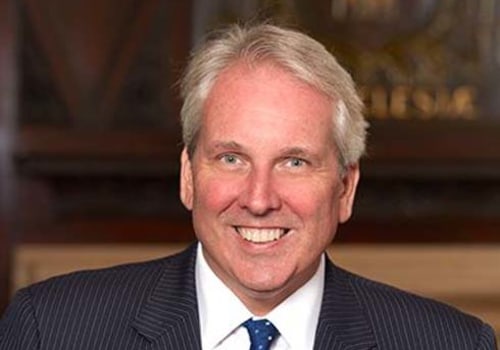
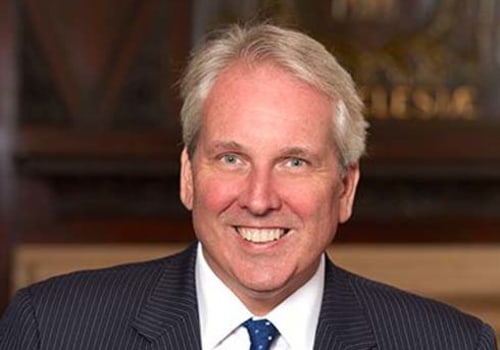
The firm's line, (708) 671-6858, is answered every hour of every day. Ervin Nevitt is a partner at Coplan + Crane and has practiced in Illinois since being admitted in 2014. Visits and mail go to 60 W Randolph St, Suite 333, Chicago, IL 60601.
RAINN's National Sexual Assault Hotline, 1-800-656-4673, provides confidential, no-cost support at all hours. If you are in danger, call 911. A hotline call does not affect any claim and creates no record you must give us.
Attorney advertising. Please read this as general information rather than legal advice.