If you survived a mass shooting at a concert or festival, or lost someone you love in one, the weeks and months afterward can feel impossible to get through. There may be surgeries and hospital stays, funerals, news coverage, and a flood of questions with no easy answers. Thinking about a lawsuit may be the last thing on your mind, and that is understandable.
This post is meant to explain, gently and clearly, what civil options may exist, so that when you are ready, you can make informed choices.
What happened is not your fault
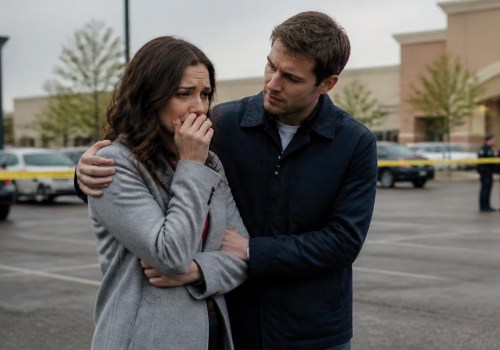
Survivors sometimes blame themselves for being there, for not running sooner, for not saving someone else. Families may replay every decision that led a loved one to that event. Those thoughts are a common part of grief and trauma, but they do not make you responsible for what a shooter chose to do, or for the security failures that may have allowed it.
A civil claim focuses on those who could have prevented harm
The criminal system deals with the shooter. A civil case is different. It looks at the businesses that ran the event and asks whether they did what a careful operator would have done for the crowd. When venues, organizers, or security companies fail to screen for weapons, staff the event adequately, secure the perimeter, plan for emergencies, or act on known threats, they may be legally responsible to the people harmed.
The shooter's fate does not end your options
Many people assume that once a gunman has been killed or locked away for life, there is no one left to hold accountable. That is not the case. After a mass shooting, survivors usually direct their civil claims at the venue, the landowner, the organizer, or the guard company whose carelessness opened the door to the attack. The gunman is generally not the target. Whether the shooter is alive, dead, or imprisoned does not prevent those claims.
Where compensation usually comes from
Recovery in these cases generally comes from the liability insurance carried by the negligent businesses. Because a single event can harm many people, and because injuries are often catastrophic, identifying every responsible company and every available insurance policy is especially important. Coverage may need to be shared among many survivors and families.
What a claim can help with
Mass shootings leave injuries that can last a lifetime. A civil claim can seek compensation for:
- Emergency treatment, surgeries, and long-term or lifelong medical care
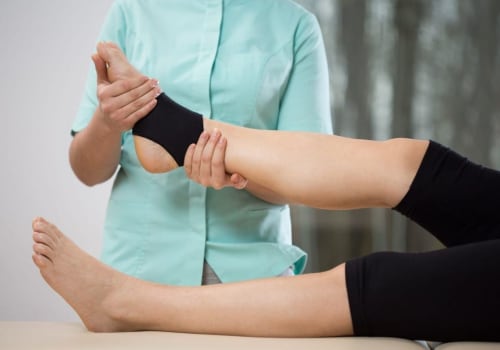
- Rehabilitation, physical therapy, and assistive equipment
- Income lost now and earning ability lost for the future
- Counseling and treatment for post-traumatic stress, anxiety, depression, and survivor's guilt
- The physical pain and emotional suffering that follow such an event
For families who lost someone, a wrongful-death claim may recover funeral expenses, the paychecks and help they would have brought home, plus the profound loss of their love and companionship.
Beyond money
Many survivors and families say they want more than compensation. They want answers about how this could happen, and they want to make sure it does not happen again. Civil cases can uncover what venues and organizers knew, expose decisions that were made to save money, and push the industry toward safer practices.
Taking things at your own pace
You do not have to make decisions right away, but some deadlines do apply, and certain evidence, such as staffing records, radio logs, and video, is easier to secure early. A lawyer can handle preservation steps quietly in the background while you focus on healing. In many mass-casualty cases, attorneys coordinate with other victims' lawyers to avoid duplicated effort and share the burden of investigation.
You also do not need to tell your story in detail at the start. An initial conversation can be as brief or as thorough as feels right to you.
Support beyond the legal system
Victim assistance programs, often run through prosecutors' offices or community organizations, can help with counseling, funeral costs, and other immediate needs. State-run victim compensation programs may cover certain costs as well. These resources exist regardless of whether you ever pursue a civil case.
Representation with mass-casualty experience
Survivors and families across the country turn to The Haggard Law Firm, whose negligent-security work spans about 500 cases. Its attorneys previously represented families of victims in the Parkland school shooting. Its $102.7 million jury verdict remains the largest of its kind ever returned in the United States (a gross figure).
No attorney's fee is charged to survivors or families unless money is recovered. When you are ready to talk, someone will listen, confidentially and without charge, at (305) 446-5700.
Attorney advertising. This article provides general information for people affected by mass shootings and is not legal advice. Reaching out is a conversation, not a commitment, and creates no representation on its own. Outcomes in past cases do not determine outcomes in future ones.